Open-source Claude Design, running on your own agent.
Open Design is the official, local-first alternative to Claude Design. Your existing coding agent — Claude Code · Codex · Cursor · Gemini · OpenCode · Qwen — becomes the design engine, driven by 132 composable skills and 150 portable DESIGN.md systems.
We treat your agent as a creative collaborator, not a black box.
The strongest coding agents already live on your laptop. We don’t ship one — we wire them into a skill-driven design workflow that runs locally with pnpm tools-dev, deploys the web layer to Vercel, and stays BYOK at every layer.
Read our approach
to visual taste, we
prototype the full
stack of creative
systems.
Skills, systems, and surfaces for creative intelligence.
We blend human taste with whichever agent you already trust to ship interfaces, decks, and editorial pages that feel intentional, expressive, and alive.
Skills,
not plugins
132 file-based SKILL.md bundles. Drop a folder in, restart the daemon, it appears.
Design Systems
as Markdown
150 portable DESIGN.md systems — Linear, Vercel, Stripe, Apple, Cursor, Figma…
A living archive of experiments in skills, decks, and machine-made form.
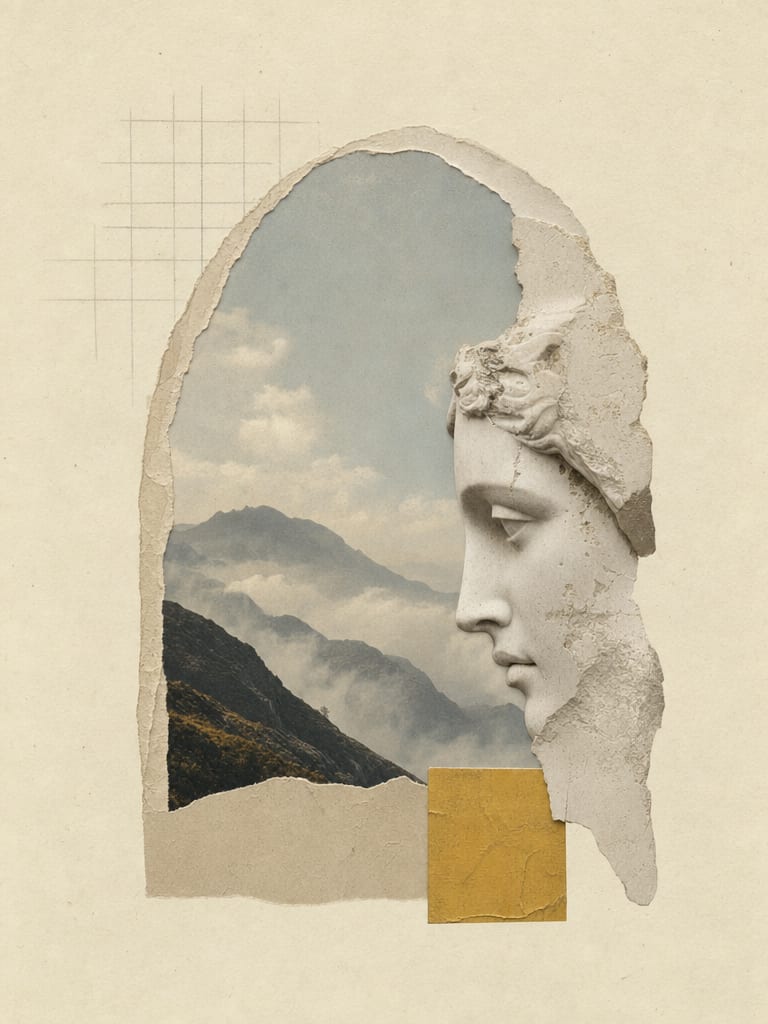
Magazine Decks
Editorial-grade slide decks with guizang-ppt. Magazine layout, WebGL hero.
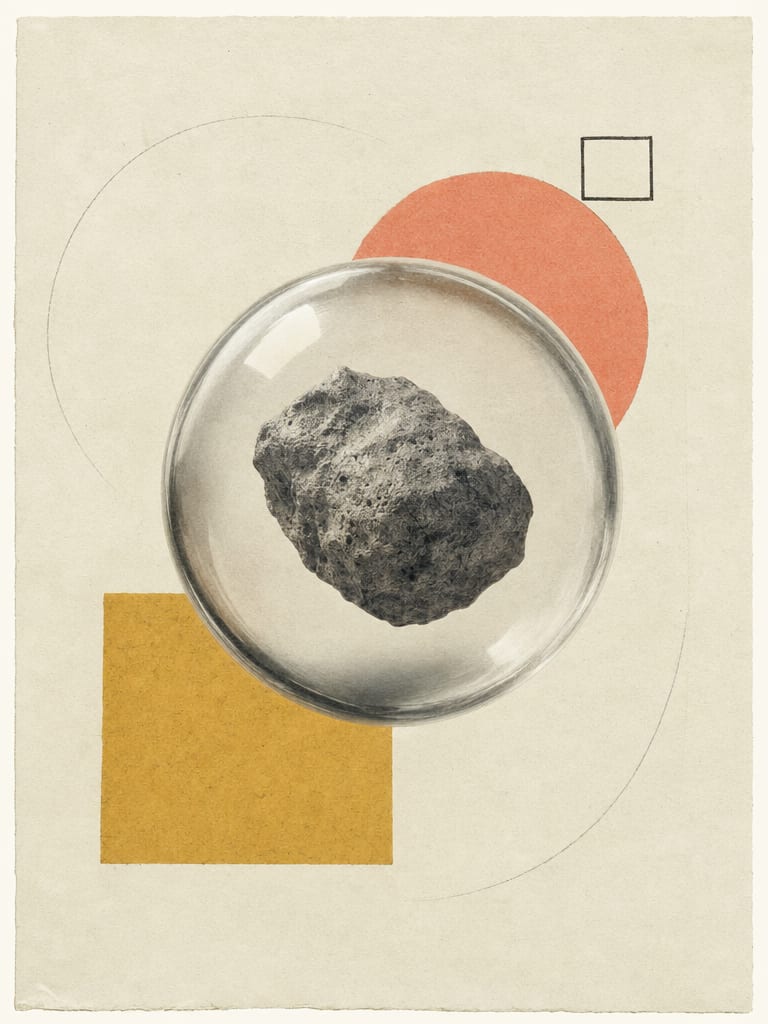
Synthetic Matter
Gpt-image-2 + Seedance + HyperFrames. Image, video, audio — same chat surface as code.
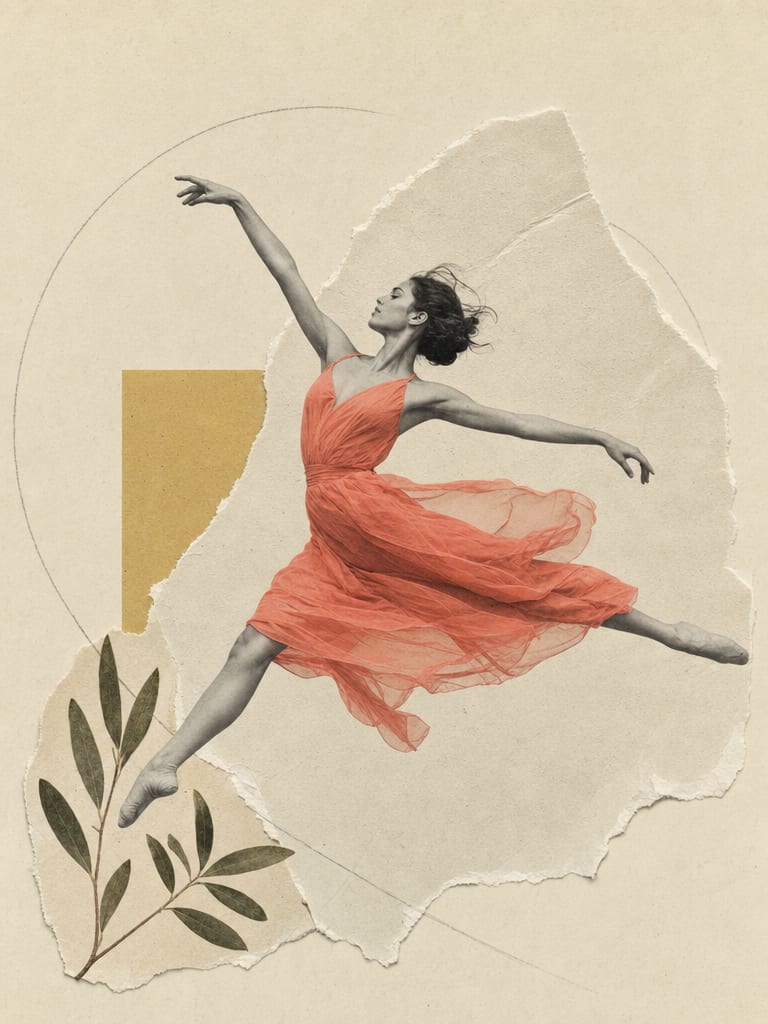
Prompt Choreography
The interactive question form pops before a single pixel is improvised. 30s of radios beats 30min of redirects.
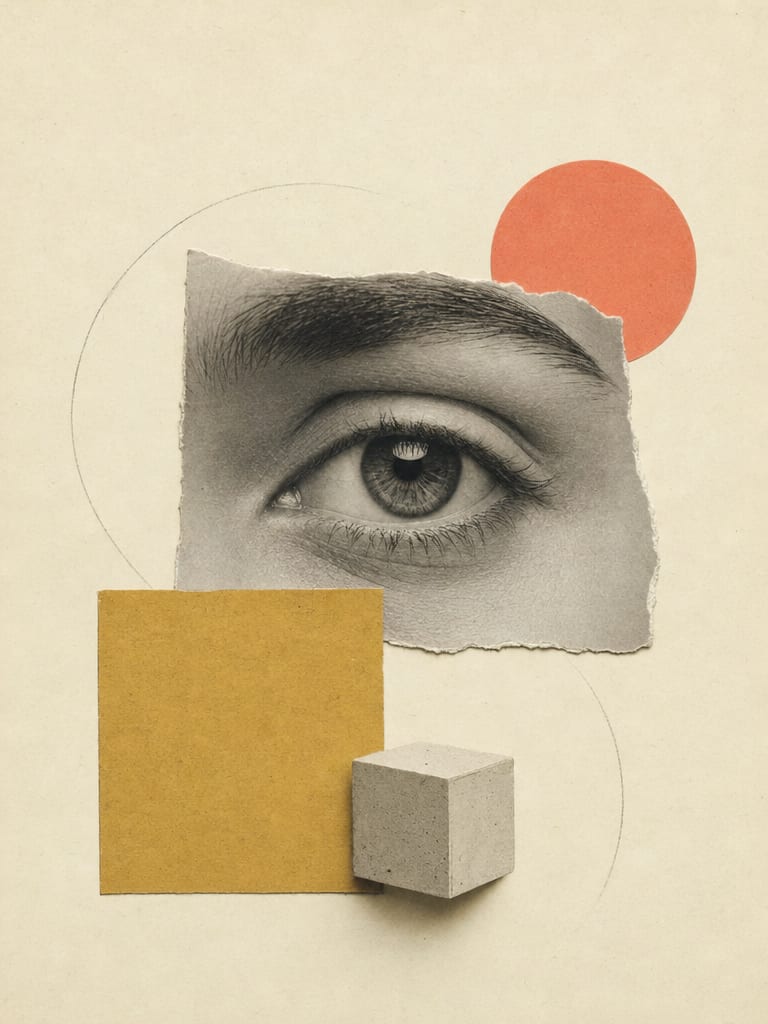
From signals to systems.
Every stage is iterative, visual, and research-driven — composable files, not opaque prompts.
Detect →
The daemon scans your $PATH for 12 coding agents and auto-loads 132 skills + 150 systems on boot.
Discover →
Turn 1 is a question form — surface, audience, tone, scale, brand context. Locked in 30 seconds.
Direct →
Pick one of 5 deterministic visual directions. Palette in OKLch, font stack, layout posture cues.
Deliver →
The agent writes to disk, you preview in a sandboxed iframe, export HTML / PDF / PPTX / ZIP / Markdown.
“Open Design helped us turn vague AI ideas into a visual system that felt sharp, believable, and genuinely new.”
Standing on the shoulders of teams shipping open-source design culture.
Read more stories
Questions about Open Design, OpenDesign, and the open-source Claude Design alternative.
01What is Open Design?
Open Design is the official open-source AI design workspace from the nexu-io/open-design project. It turns a local coding agent — Claude Code, Codex, Cursor, Gemini CLI, OpenCode, or Qwen — into a design engine driven by composable skills and portable DESIGN.md systems.
02Is Open Design official?
Yes. The canonical project lives at open-design.ai and the source is on GitHub at github.com/nexu-io/open-design. "Open Design", "OpenDesign", "open-design", and "Open Design AI" all refer to this same project.
03How is Open Design different from Claude Design?
Claude Design is a hosted product tied to a single vendor. Open Design is local-first, open source under Apache-2.0, and BYOK: you bring your own agent, credentials, and DESIGN.md system.
04Does Open Design run locally?
Yes. The desktop app, daemon, and skill runtime run on your machine. Generated artifacts land in your project directory instead of being forced through a vendor cloud.
05Which coding agents does Open Design support?
Open Design ships 17 first-party BYOK adapters out of the box: Claude Code, Codex, Cursor, Gemini CLI, GitHub Copilot CLI, Grok, Hermes, Kimi, Devin for Terminal, OpenCode, Qwen, DeepSeek, Pi, Mistral Vibe, Kiro, Kilo, and Qoder. Any adapter that speaks the same skill protocol works — switching agents is a config change, not a redesign.
06Can I self-host or fork it?
Yes. The code is Apache-2.0. You can fork the repo, edit skills, add your own DESIGN.md systems, or run the daemon on your own machines.
07Is my data sent to Anthropic, OpenAI, or Google?
Only your prompt and skill context goes to whichever provider you bring keys for (BYOK). Open Design has no server of its own — the daemon talks to your provider directly. Generated artifacts land as files in your project directory, not in any vendor cloud.
08Can I run Open Design without installing the CLI or desktop app?
Not today. Open Design is local-first by design — the minimum is a local daemon plus an agent (Claude Code, Codex, Cursor, Gemini CLI, or one of the 17 supported adapters). A hosted sandbox is on the roadmap but not the priority: artifacts in your repo beat documents in someone else's database.
09How much does Open Design cost?
The product is free and Apache-2.0 — there is no Open Design subscription. You pay the API costs of whichever provider you use (Anthropic, OpenAI, Google, Mistral, xAI, Moonshot, etc.), billed directly to your account. BYOK keeps both the credentials and the spend on your side of the line.
10Can I self-host Open Design on Vercel, Cloudflare, or my own server?
Yes. The daemon runs anywhere Node 24 runs, and the landing page is a static Astro build that deploys to Cloudflare Pages, Vercel, or Netlify as-is. Teams running shared deployments typically pin the daemon to a machine inside their network and point each developer's CLI at it.
11How do I move my brand into Open Design?
Drop a screenshot or a Figma export into the web UI and ask your agent to extract a brand into a DESIGN.md file. Save that file under design-systems/<your-brand>/ in your repo; every skill then renders in that brand without re-prompting. /alternatives/claude-design/ describes the same flow in step form.
12Can I switch agents without redoing my work?
Yes. Skills and DESIGN.md systems are agent-agnostic — the same SKILL.md file renders against Claude Code, Codex, Cursor, Gemini CLI, GitHub Copilot, Grok, Hermes, Qwen, or any other supported adapter. Switching agents is a config change in the daemon, not a redesign.
13What's on the Open Design roadmap?
The live roadmap is at docs/roadmap.md in the GitHub repo, and weekly release notes ship through GitHub Releases. Major themes for the next quarter: more agent adapters, richer template families (3D, video, audio), and an optional shared-daemon mode for design teams.
Let’s build something open and visually unforgettable.
Star us on GitHub, drop into the issues, or run pnpm tools-dev tonight. Three commands and the loop is yours.