

Heatherm’s first contribution to OpenDesign was a room.
A serial technology entrepreneur helped OpenDesign run its first Hong Kong workshop as a live product lab and connected the project with the city’s builder community.
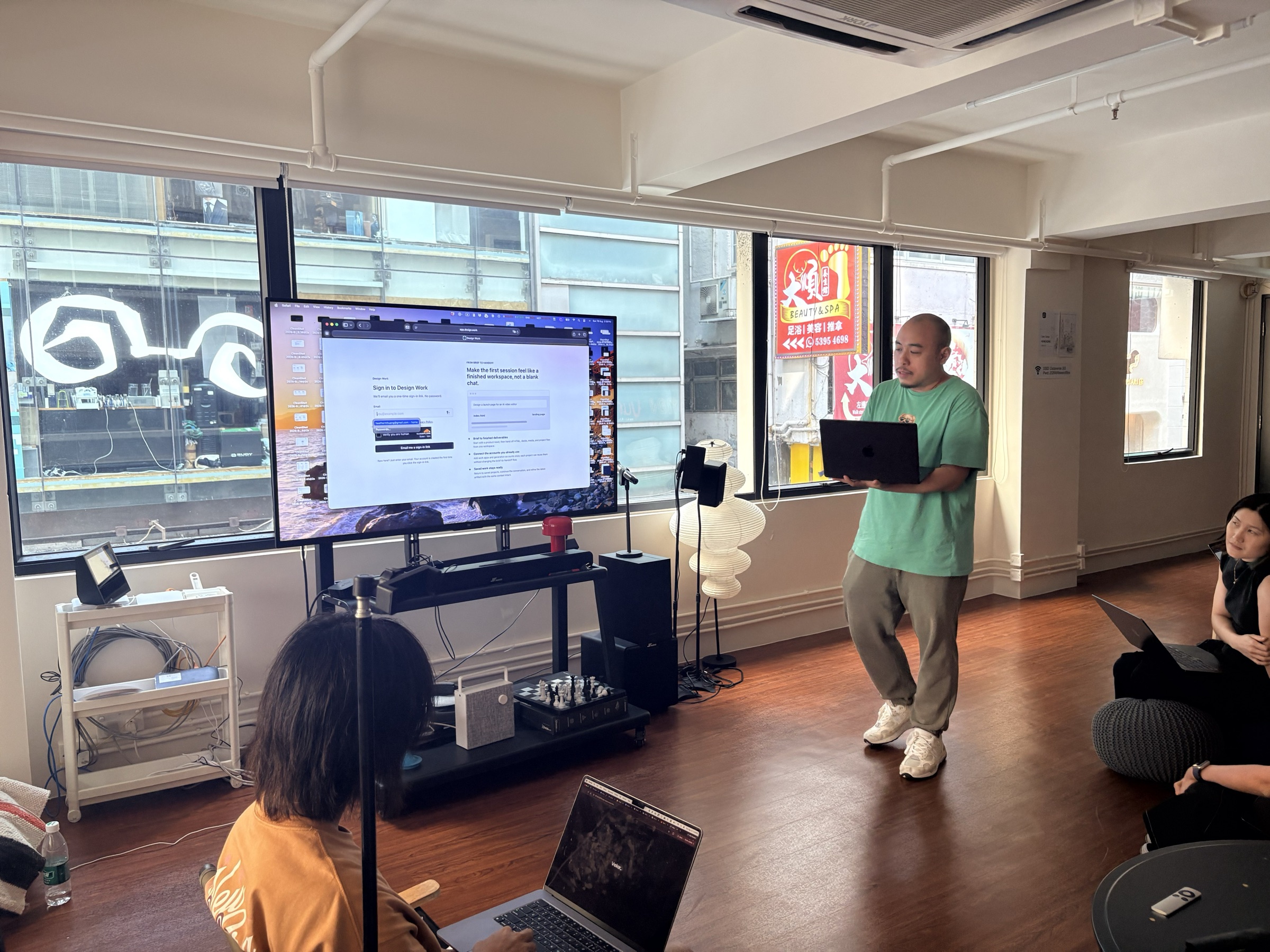
The Hong Kong workshop needed a room built for hands-on work.
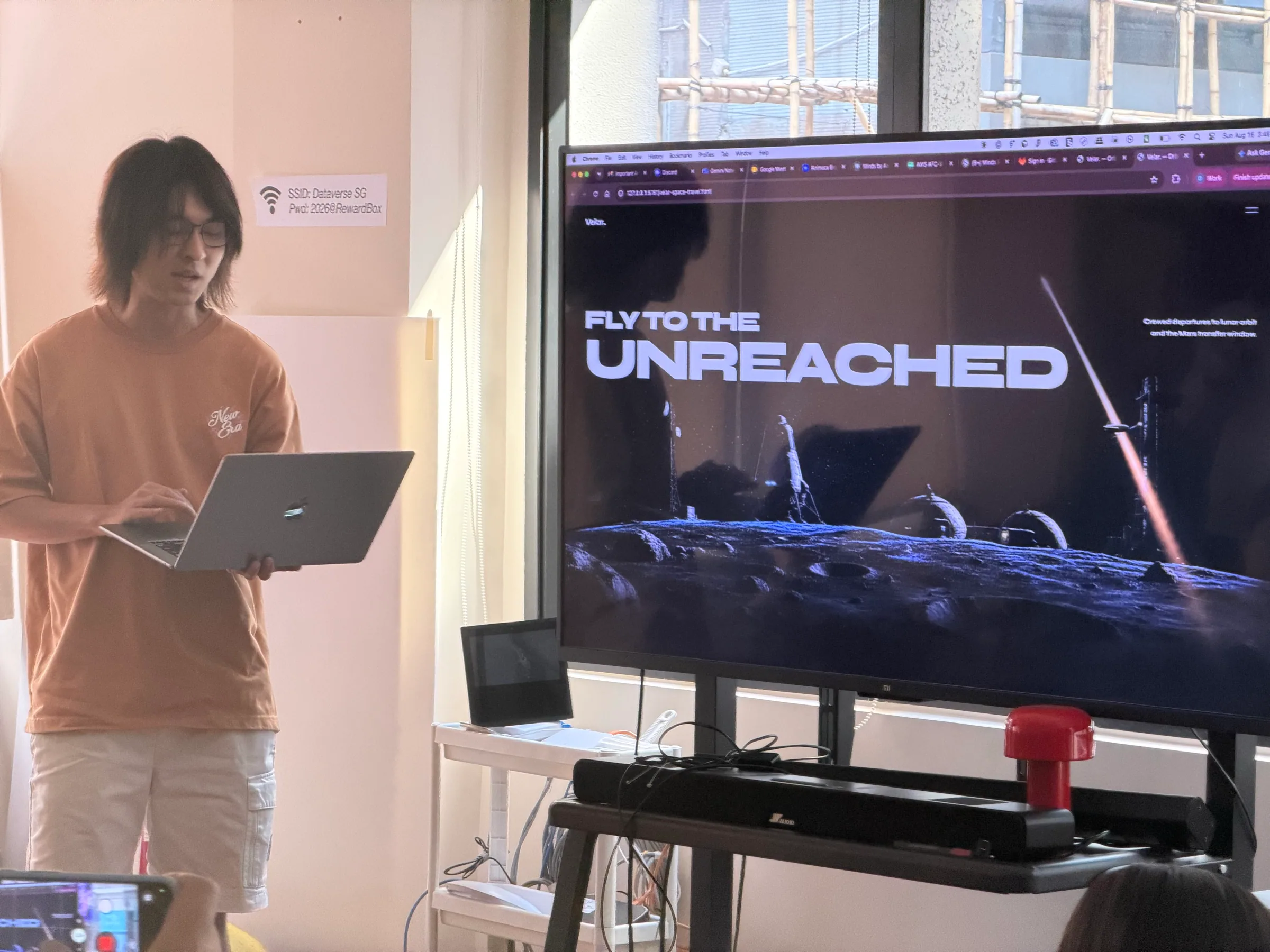
Participants opened their laptops, connected models and data, showed unfinished work, and asked for help. Building and conversation happened side by side throughout the session.
OpenDesign planned the Hong Kong workshop around that close, collaborative format. Builders brought real ideas and tested the complete workflow together. Heatherm Huang provided the venue and joined the sharing session.
The room gave Hong Kong builders time to learn by doing.
The partnership began with something practical.
Heatherm’s work spans technology, data, entrepreneurship, business models, and product experience. As co-founder of MailTime and Measurable AI, a Y Combinator W16 alumnus, and a PolyU Doctor of FinTech alumnus, he has spent years close to the question of how new technology becomes useful.
OpenDesign was looking for local partners who could bring builders into the product through real work. Heatherm provided the workshop venue and took part in the sharing session. The collaboration grew from that contribution, and he became OpenDesign’s Hong Kong ambassador.
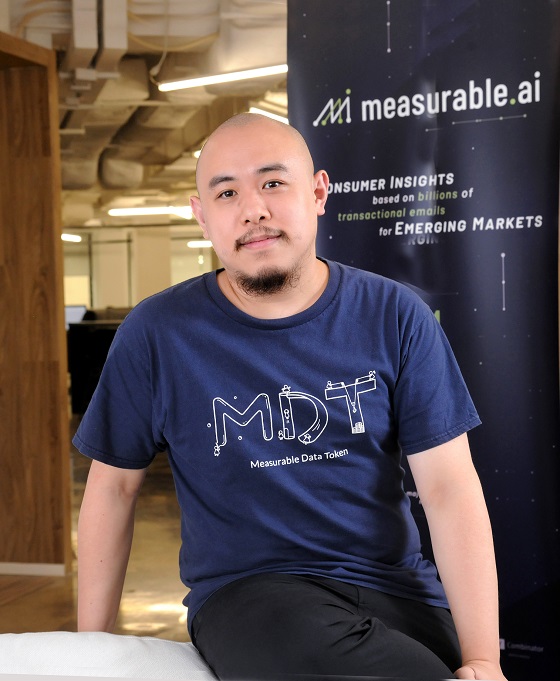
The venue became a live product lab.
On August 16, the workshop moved quickly into building, troubleshooting, and show-and-tell. Participants brought brand assets, project context, models, APIs, prompts, and ideas. They created presentations, dashboards, websites, and product prototypes.
Participants tested OpenDesign under real pressure. Their successful builds and points of friction showed the team where model setup, editing, design-system reuse, export, and sharing needed work.
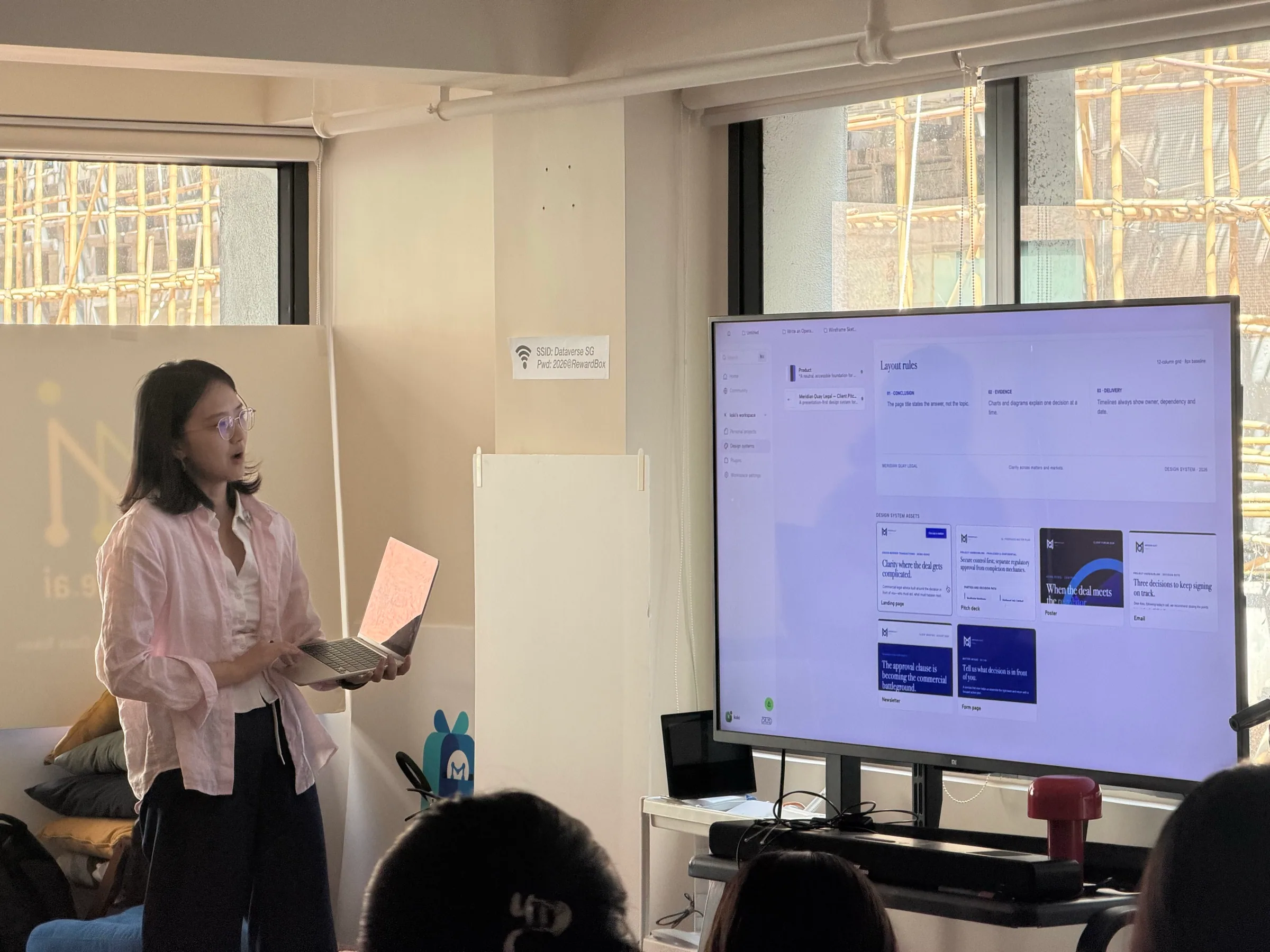
A local event created feedback the product could use.
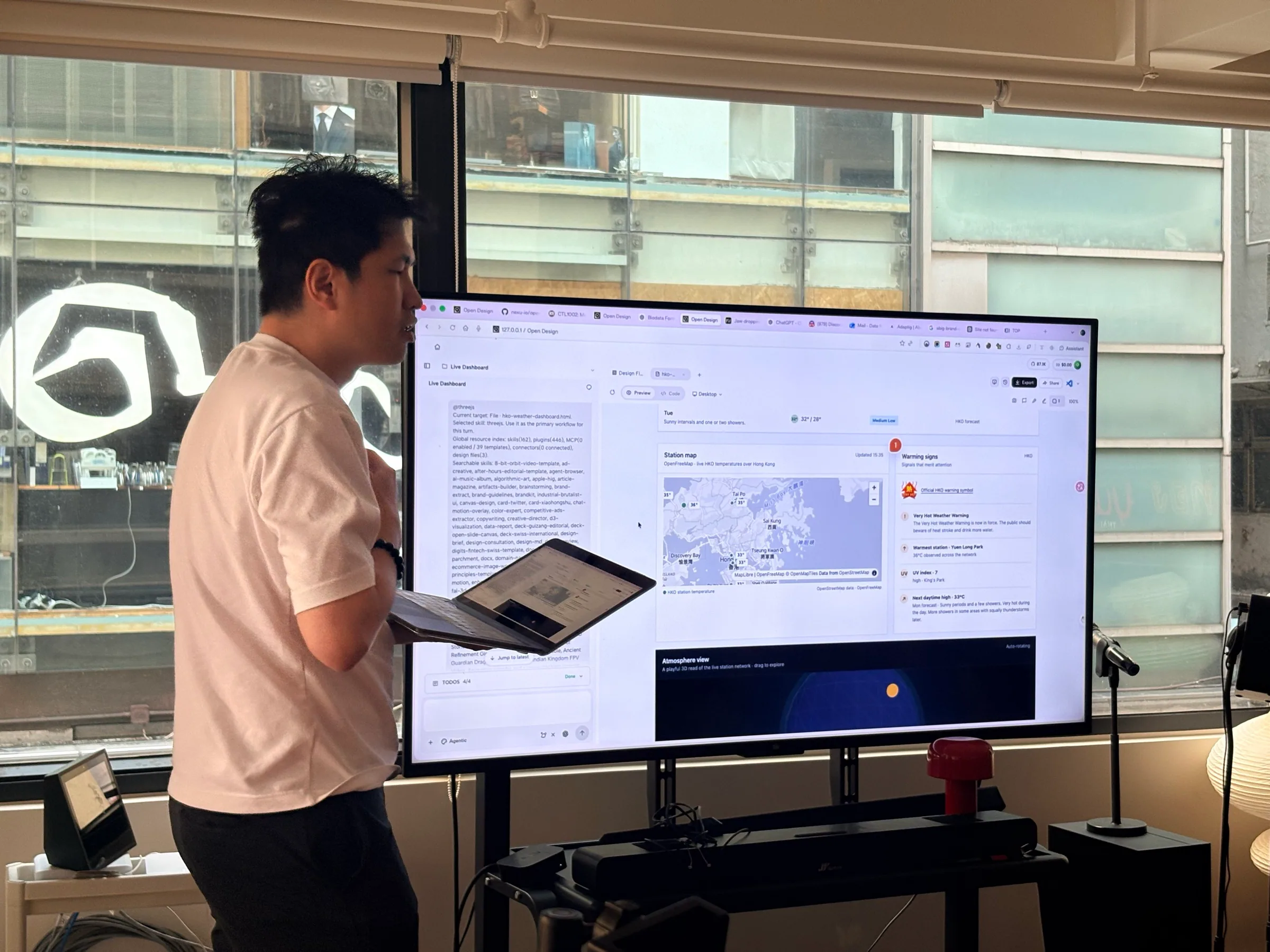
One participant connected Hong Kong open data and a map API to build a live weather dashboard. Others explored interactive systems-thinking presentations and expressive web experiences. Together, the projects showed where OpenDesign created value and where the first-use experience still needed work.
Start before the prompt
Connection, authorization, and model setup must be clearer for first-time users.
Keep direct control
Agent-native editing still needs predictable actions for resizing, aligning, and undoing.
Finish the handoff
Export and sharing matter because an artifact only becomes useful when someone else can receive it.
An ambassador creates the conditions in which a local community can encounter the product for itself.
Sources: Hong Kong workshop recap · PolyU profile ↗
From one workshop to a durable Hong Kong community.
More hands-on sessions, stronger ties with founders and technology communities, and clearer paths from participant to user, contributor, and future organizer.