
OpenDesign 0.19.1: Design with DeepSeek Harness
OpenDesign 0.19.1 makes DeepSeek Harness a first-class native design runtime, with live model and reasoning discovery, structured streaming, session resume, reliable cancellation, faster project creation, and steadier team workspaces.
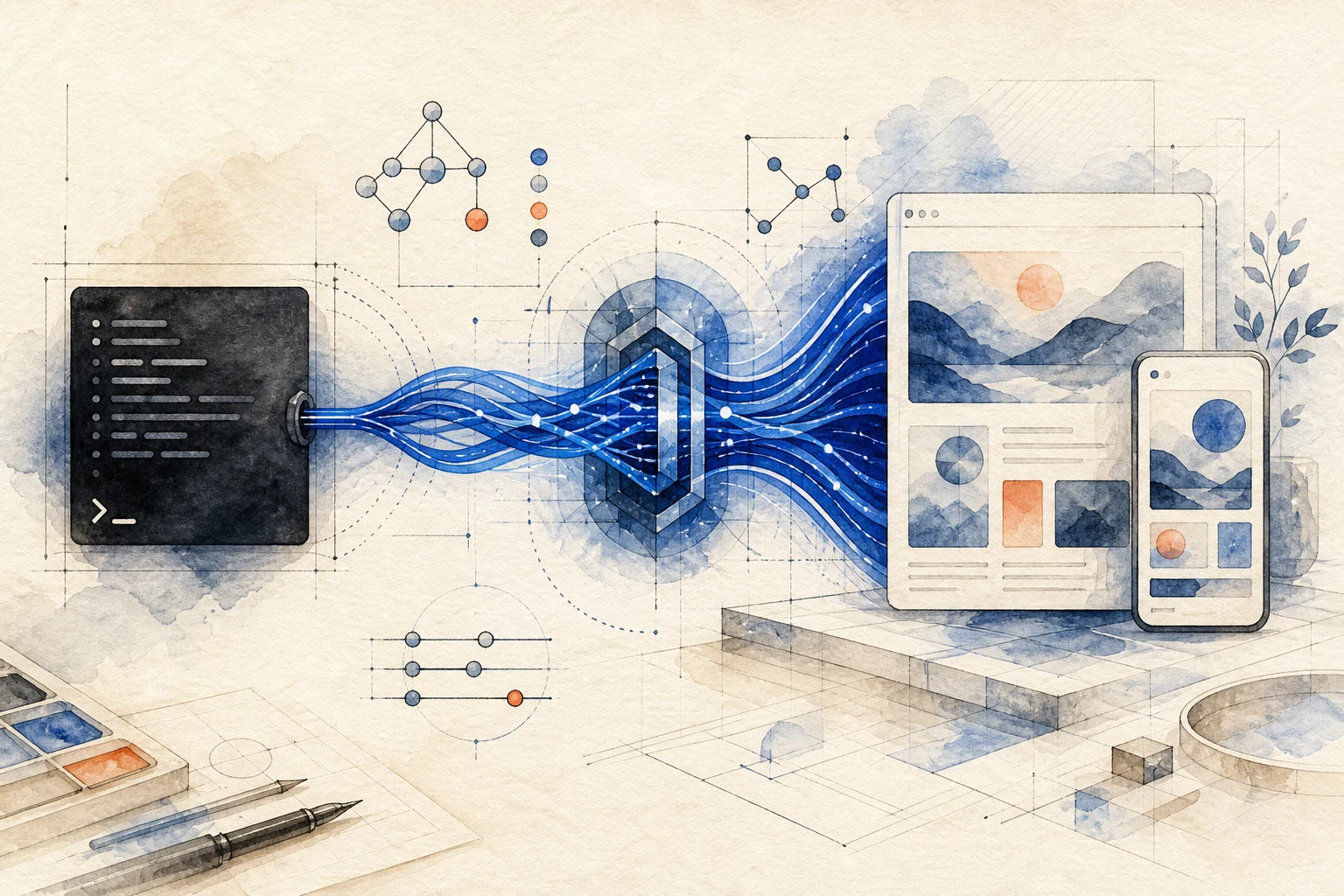
open-design-v0.19.1, codename “Design with DeepSeek Harness.” This release makes the official dsh CLI more than another agent OpenDesign can connect to. DeepSeek Harness is now a first-class native runtime that OpenDesign can launch directly, continue across turns, and carry all the way to a finished design.
The complete 0.19.1 changelog covers every stability and workspace change. This is the product story: how DeepSeek Harness enters the OpenDesign loop, and how the wait between an idea on Home and a working project gets shorter again.
DeepSeek Harness is a native design runtime
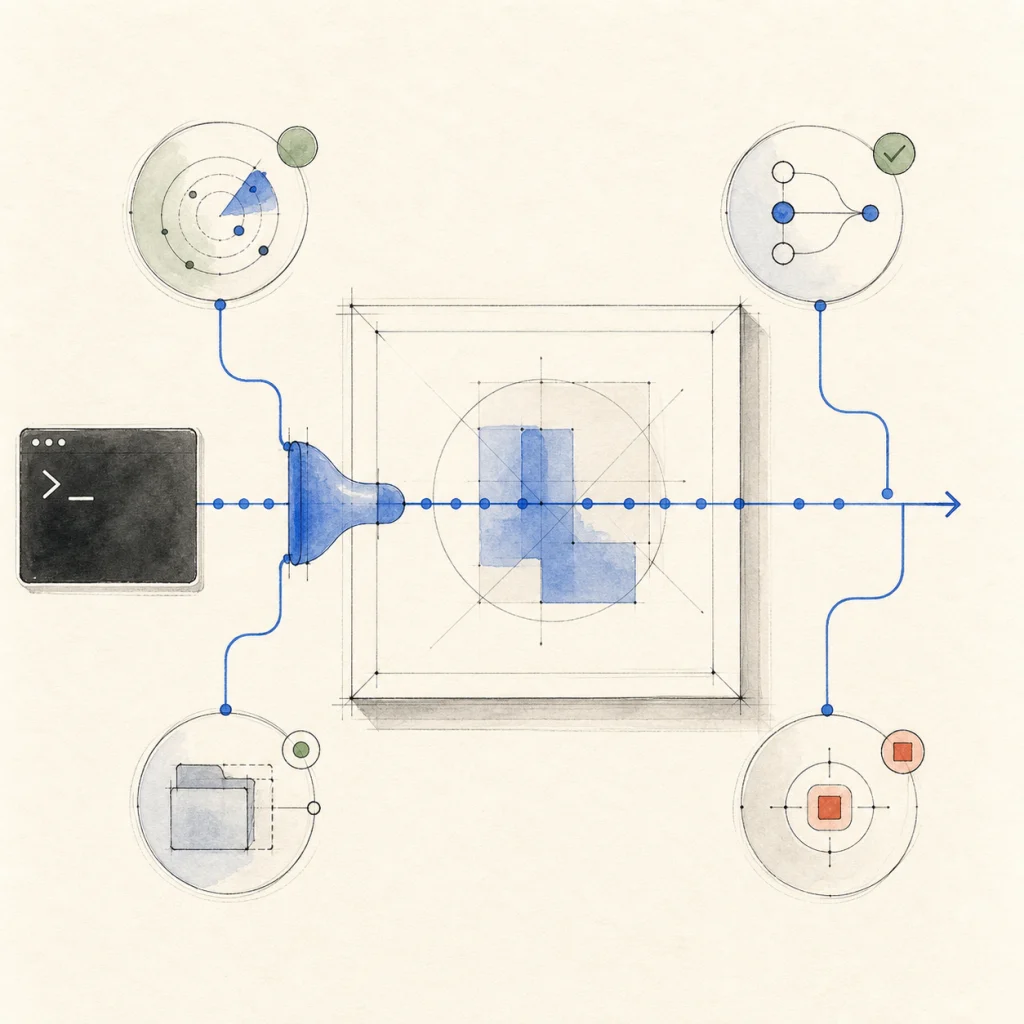
OpenDesign now launches DeepSeek Harness through the official dsh CLI. The connection uses a structured JSONL stream instead of treating terminal text as an opaque transcript. The model catalog and reasoning options come from the capabilities Harness publishes live, while progress, artifacts, and errors arrive in the project as explicit events.
Sessions resume natively. Cancellation stays authoritative through startup, execution, and recovery, and it cleans up the corresponding process tree on macOS and Windows. If the API key is missing, the installed version is untested, or the OpenDesign profile is incompatible, the app surfaces a specific diagnostic and a repair action instead of letting the run fail silently.
Install or repair the connection with one command
Install the official DeepSeek Harness, then run:
od agent setup deepseek-harnessOpenDesign installs the verified connection component bundled with the desktop app. If the open-design profile is already present but incompatible, the same command repairs it. Add your DeepSeek API key on the Models page, or expose DEEPSEEK_API_KEY to the OpenDesign daemon.
Once setup completes, choose DeepSeek Harness like any other agent. Its live models and supported reasoning efforts appear in the composer. The DeepSeek Harness design guide walks through installation, workflow, visual direction, critique, and delivery.
Move from an idea into the project immediately
0.19.1 also refreshes the creation-type row and workspace controls on Home. A local project no longer waits for a Cloud workspace identity before it can start. After you submit, OpenDesign moves directly into the new project’s Preparing state and rolls the transition back cleanly if creation fails. Cloud projects keep the balance and identity checks they actually need.
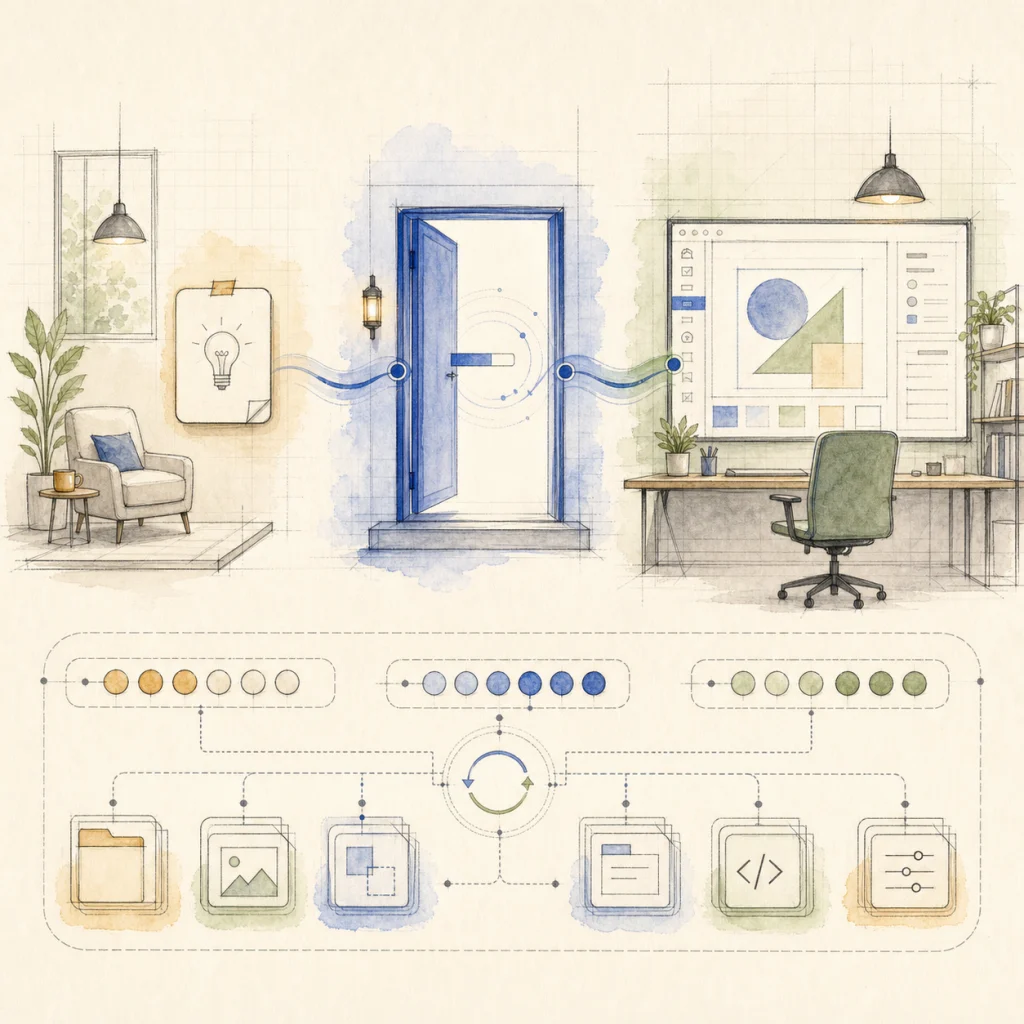
That shorter entry path matters with Harness. You can choose the runtime, model, and reasoning level, send a real brief, and watch the first structured events arrive without waiting at a workspace gate that does not apply to the project.
Recovery gets stronger as the team gets larger
An expired OpenDesign Cloud session now clears invalid credentials and returns to the existing sign-in flow. Headless operators can use od amr status and od amr logout to inspect or reset authentication. Transient workspace-authority failures retry safely without duplicating the original request.
Large team projects now batch shared-resource pulls, cap sync fan-out, cache workspace-authority reads safely, and put explicit limits on scans, archives, and push queues. As the workspace grows, sync stays steadier and memory pressure stays bounded.
What else lands in 0.19.1
- Generated work opens where you expect it — new image and video outputs open in preview automatically. When an agent explicitly names an existing artifact, the write updates that file in place instead of making a numbered duplicate.
- Standalone HTML export is more reliable — the single-file handoff path is safer to deliver and open offline.
- Cloudflare Kumo UI joins the design-system catalog, ready to use as a visual foundation for generated interfaces.
- Claude Desktop setup gets a direct path —
od mcp install claude-desktopconfigures OpenDesign on macOS and Windows. - Project context is more accurate — Home search includes personal projects, Community templates retain their original project type, and MCP resource reads follow the signed-in workspace.
- Run recovery is harder to confuse — repeated sends no longer enqueue duplicate requests, a successful run cannot be turned back into a failure by an old tool error, and stale message writes cannot replace the daemon’s canonical events.
- Message Center stays in context — rows expand and collapse in place instead of replacing the list.
Where to start
| If you want to… | Start here |
|---|---|
| Design with DeepSeek Harness | Install the official dsh CLI, run od agent setup deepseek-harness, add your key, then select Harness in the composer |
| Control how the model works | Choose one of the live models and a reasoning effort published for that model before sending the brief |
| Continue a design conversation | Reopen the project and send the next turn; the native Harness session resumes behind the same conversation |
| Stop a run cleanly | Cancel from OpenDesign; startup, execution, recovery, and the child process tree follow the same cancellation state |
| Start a local project quickly | Submit from Home and continue in Preparing without waiting for a Cloud workspace identity |
What to do next
Download OpenDesign 0.19.1, install the official dsh CLI, run od agent setup deepseek-harness, and give DeepSeek Harness your first real design brief.
Thank you to everyone who contributed to 0.19.1. See the native DeepSeek Harness runtime change and the complete changelog for the implementation details and credits.