

My hands stay on the craft. OpenDesign keeps the brand moving.
Seungki Kim trained as a designer at KAIST and worked at Samsung and beyond — then went solo to make things by hand again. His studio, FABOR, treats 3D printing as a craft. As a team of one, OpenDesign is how he keeps the brand, the site, and the social content moving in parallel — so the making never stops.
A KAIST designer who chose to make by hand.
Seungki spent eleven years at KAIST studying industrial design, through his PhD — then worked at Samsung Electronics, a media-art studio, and an AI startup. After all of it, he went back to the bench, founding FABOR.
For FABOR, 3D printing isn’t manufacturing — it’s a craft language: light, texture, pattern, structure. Layers of thin printed fabric are joined like Korean jogakbo (patchwork), with light and shadow moving through the structure.
But a studio of one is never only a maker. There’s a brand to build, a site to ship, a feed to keep alive — and every hour spent there is an hour away from the work. He needed a way to do both at once.
The kind of work his hands stay on — and the reason he lets OpenDesign carry the brand.
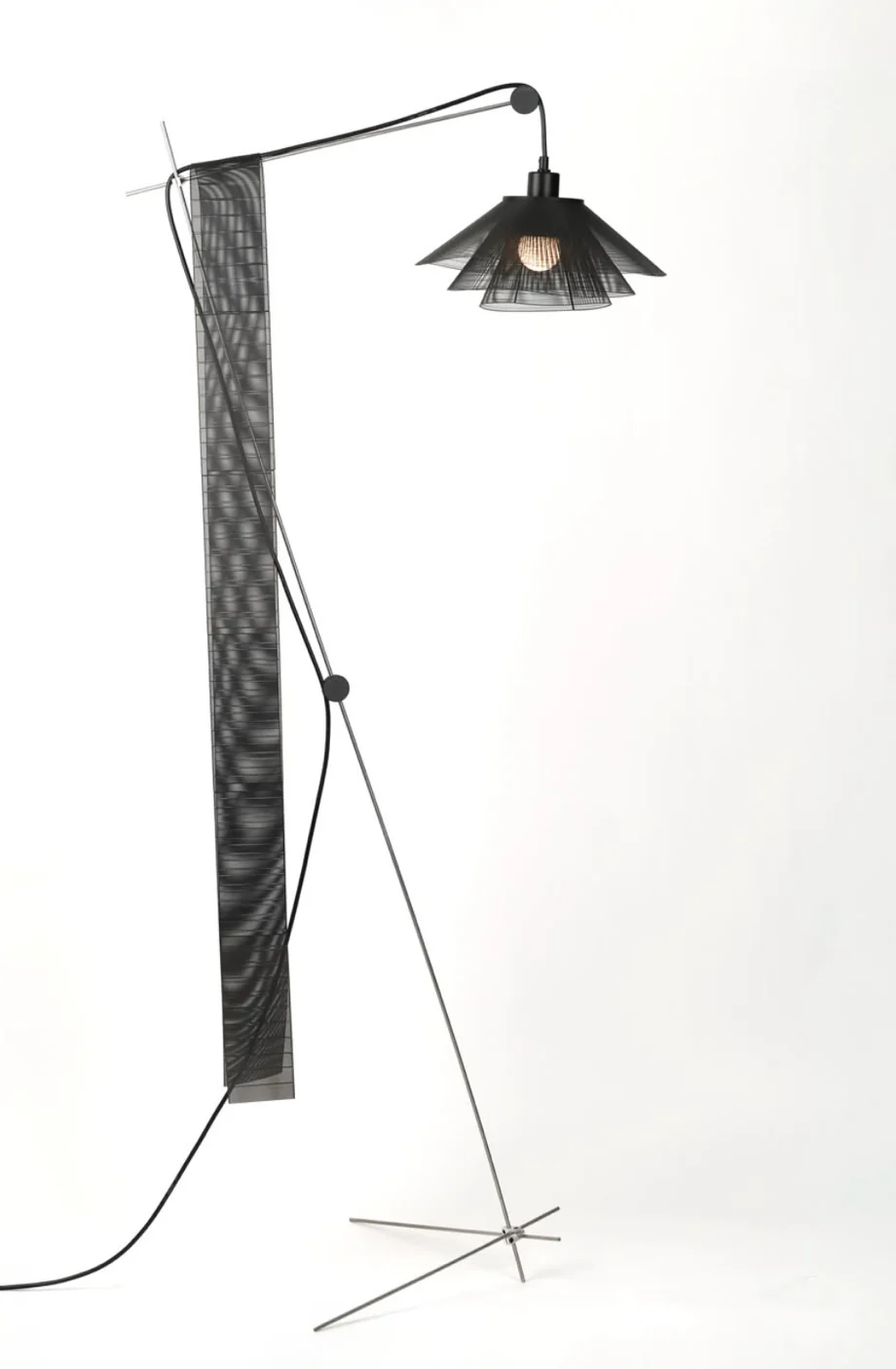
Light to iterate. Still his to control.
Seungki came to OpenDesign from another AI design tool, and what made him stay was the freedom underneath it. He can choose the model he runs on — often a cheaper one — so a round of iteration costs little, and he can keep refining instead of settling for a first output.
It stays a tool, not a takeover. He wants an assistant that proposes options while he keeps the final call on every detail — control, not full automation. For Seungki, iteration matters more than one perfect first output.
The physical work becomes a digital brand layer.
The physical work gives FABOR its language — and OpenDesign turns it into the brand around it. The fabor.kr micro-site, built mobile-first, and the card-news he posts to Instagram are all made in OpenDesign. He builds them in the seams of the real work: while a 3D print is running, he can ask OpenDesign to shape a micro-page, come back to review it, adjust the direction, and return to the bench. No separate production cycle, no days pulled away from the work.
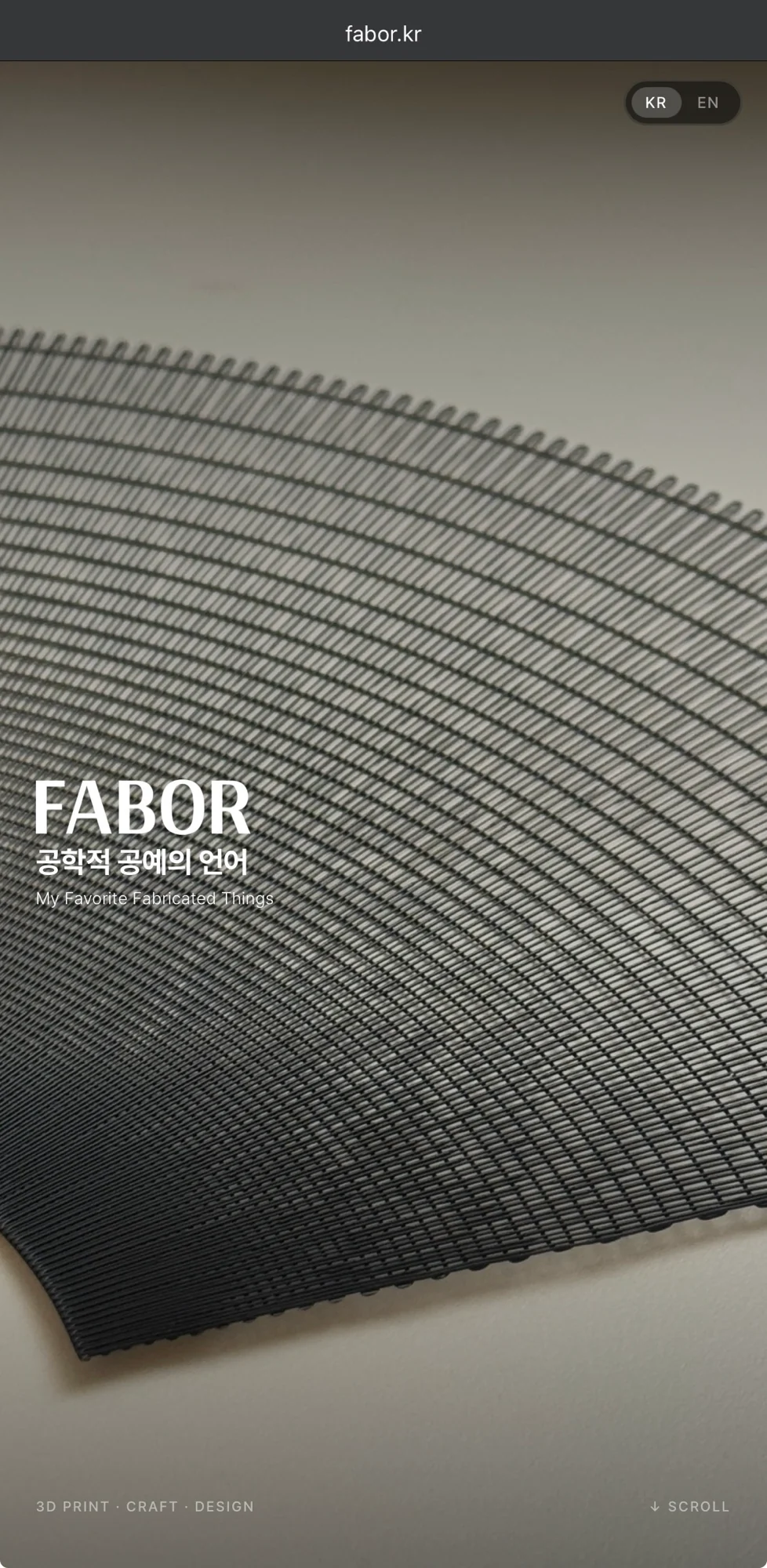
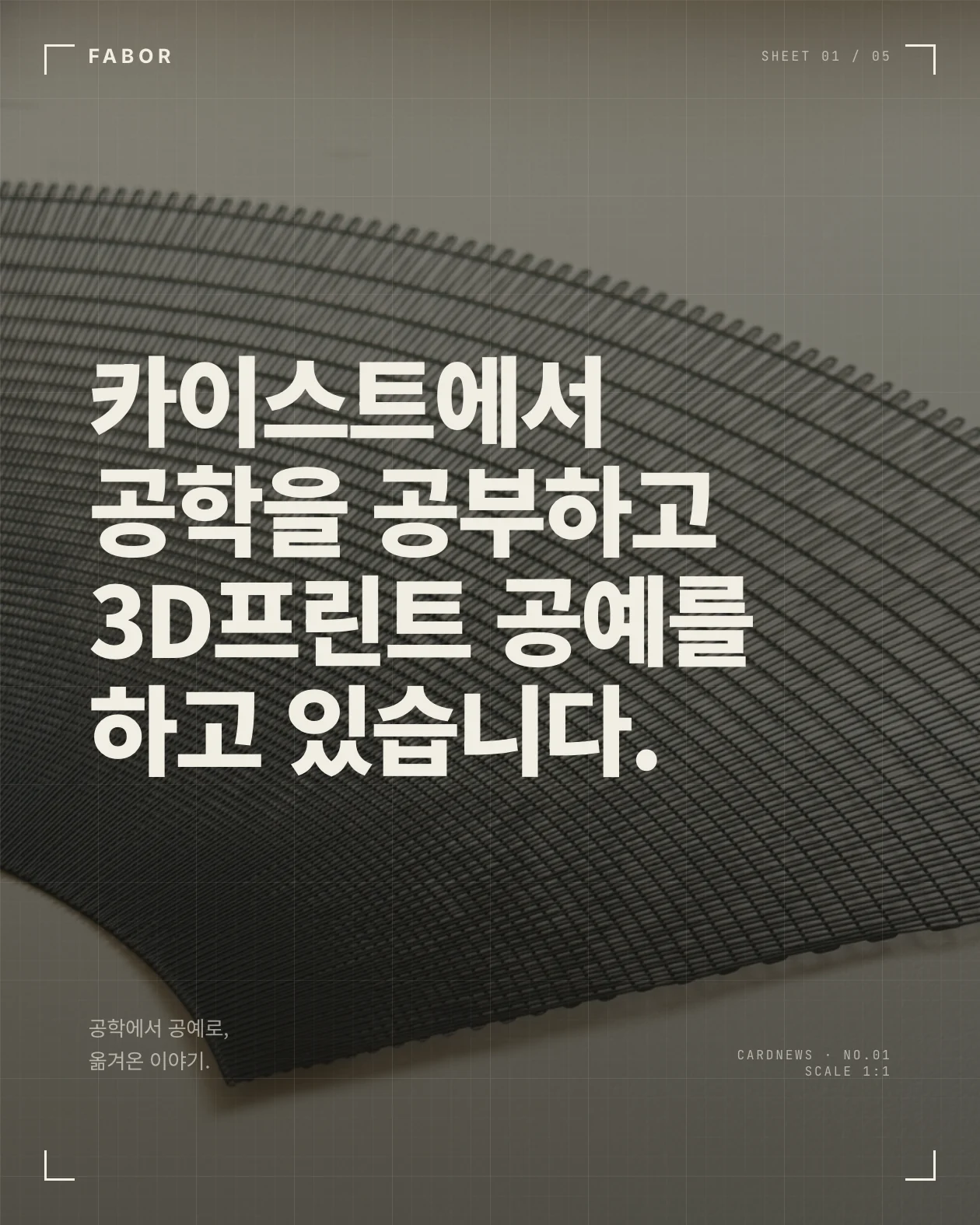
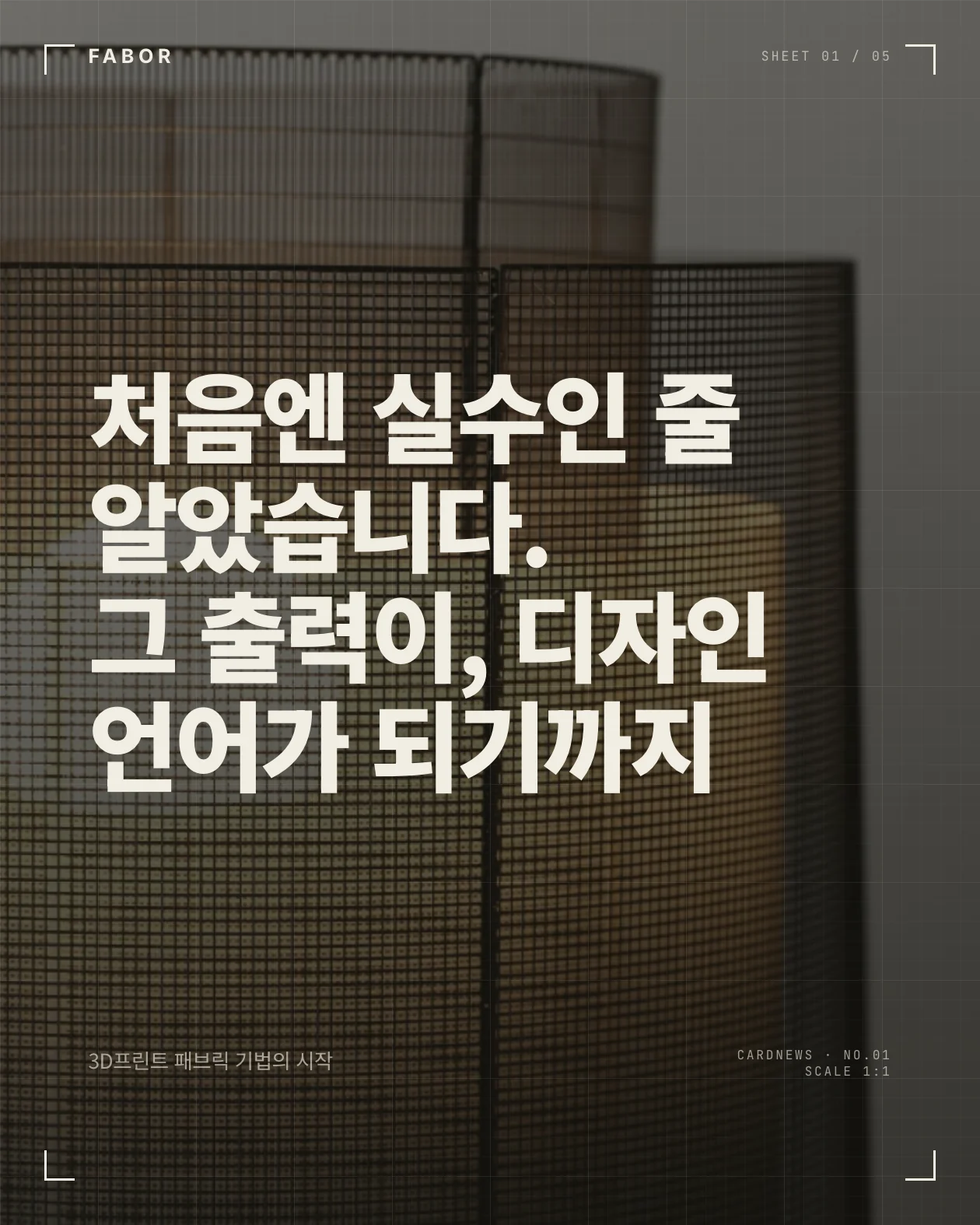
Card-news that carries his own voice.
The carousels hold FABOR’s voice as precisely as the objects do — the same technical, blueprint restraint, the same care in every layer. One tells the origin of the studio: KAIST, Samsung, an AI startup, then the turn to craft. Another walks through how a failed print left a single thin layer behind — and how that accident became his 3D-print fabric language, the moiré that now runs through the work. Both made in OpenDesign, on brand, ready to post.
“Using OpenDesign allowed me to create branding content and micro-pages simultaneously while focusing on my hardware artwork.”
For a solo entrepreneur, this kind of parallel processing is crucial — and it has enabled me to dedicate more of my energy to the actual design of my pieces.
See FABOR on Instagram @fabor.objet and at fabor.kr.
Build your brand while you stay on the work.
OpenDesign is free, open-source, and runs on your own machine and your own keys — the branding, sites, and content a solo maker needs, made in parallel with the real work. Bring the model you want.